Disclosure: This post contains affiliate links, meaning, at no additional cost to you, we will earn a small commission if you click through and make a purchase. Learn more

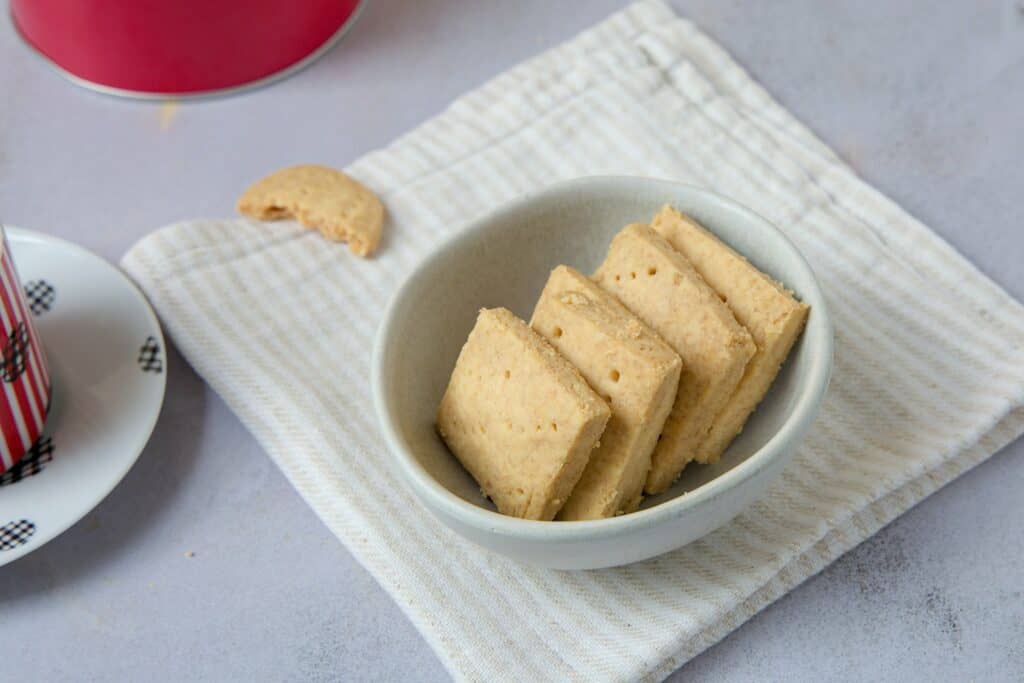
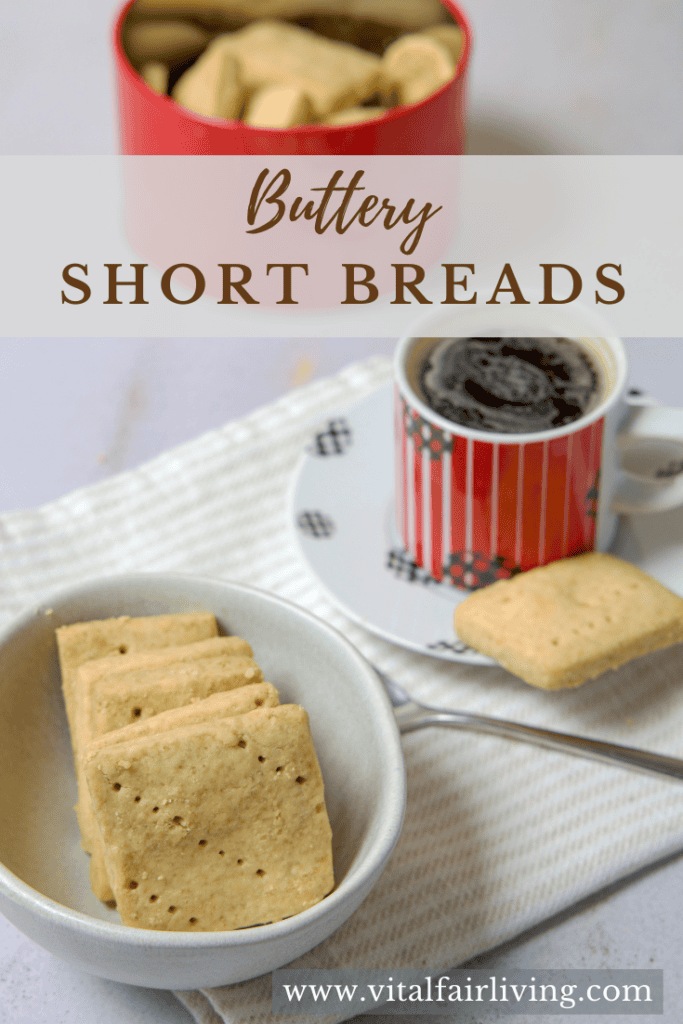
These melt-in-the-mouth buttery shortbread biscuits are the perfect bake for cold, dark December days — and a favorite gift when shopping before Christmas isn’t appealing.

Buttery Shortbread Biscuits

Days leading up to Christmas are hectic, cold and dark, and comfort snacks tend to be in high demand around this time. These buttery shortbread biscuits are the perfect bake to answer those winter cravings.

Shopping before Christmas isn’t something enjoyed here for various reasons, so a favorite homemade snack becomes the gift instead — and this melt-in-the-mouth buttery shortbread is exactly that kind of recipe.

Table of Contents

An All-Time Favorite Snack

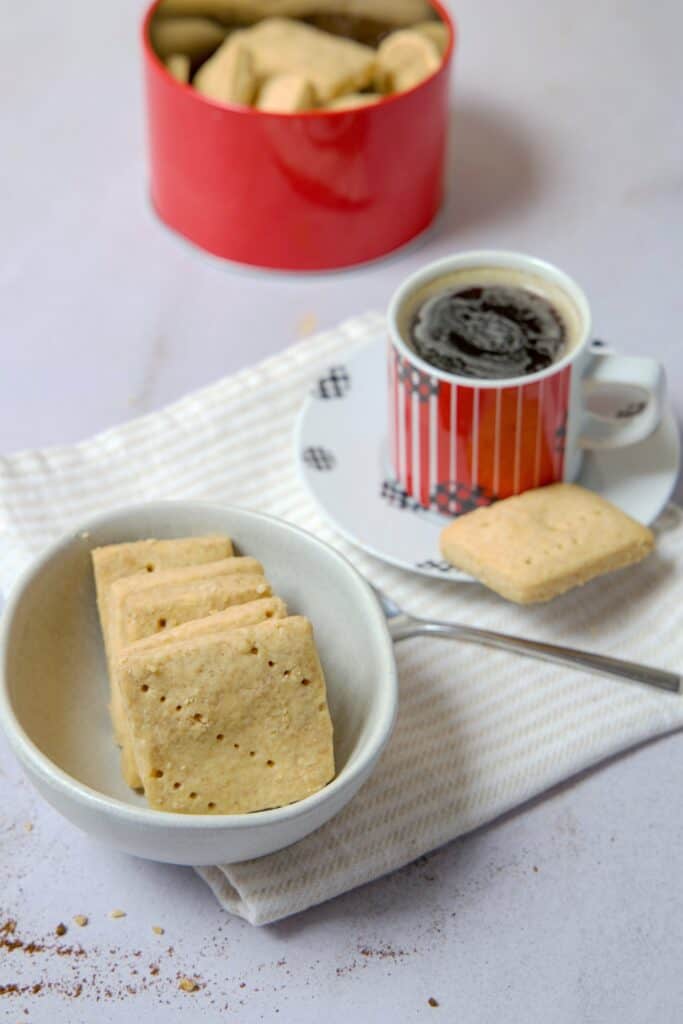
This shortbread recipe is light, and impossible to resist once you’ve tasted it alongside Walkers Shortbread — though Walkers falls a little short by comparison here, since it’s not available organic locally and is machine-made. For cold, wintry days and cosy evenings with the house decorated for Christmas, shortbread biscuits are just the thing to go with a warm cup of tea or coffee.

Tools you may need

This post contains affiliate links, for which a small commission is earned at no extra cost to you.

How to Make Buttery Shortbread?

Buttery Shortbread Biscuits

Ingredients List

  • 225g unsalted butter
  • 110g caster sugar
  • 225g plain flour
  • 110g cornflour
  • 2 tbsp rice flour
  • Pinch of salt

Cooking Instructions

  • Prep the Trays:

    Lightly butter 2 baking trays, or line them with baking sheets.

  • Cream and Mix:

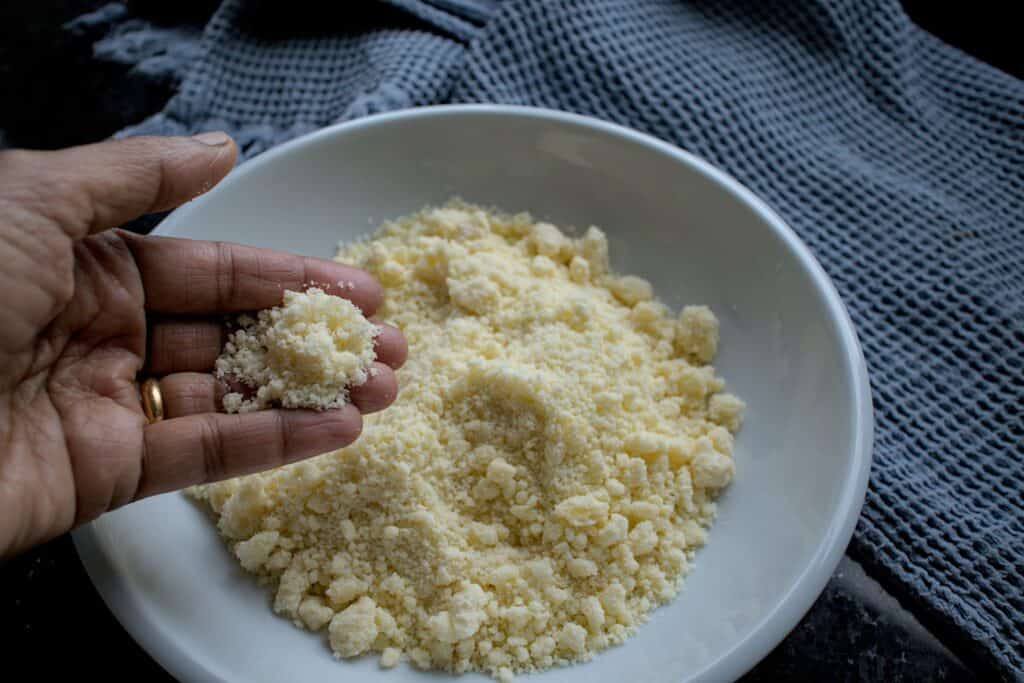
    Cream the butter and sugar in a large bowl using an electric hand-held whisk or a wooden spoon, until light and fluffy. Sift in the flour, cornflour, rice flour and salt, and mix until smoothly combined. Lightly knead into a soft dough on a floured surface.

  • Roll and Cut:

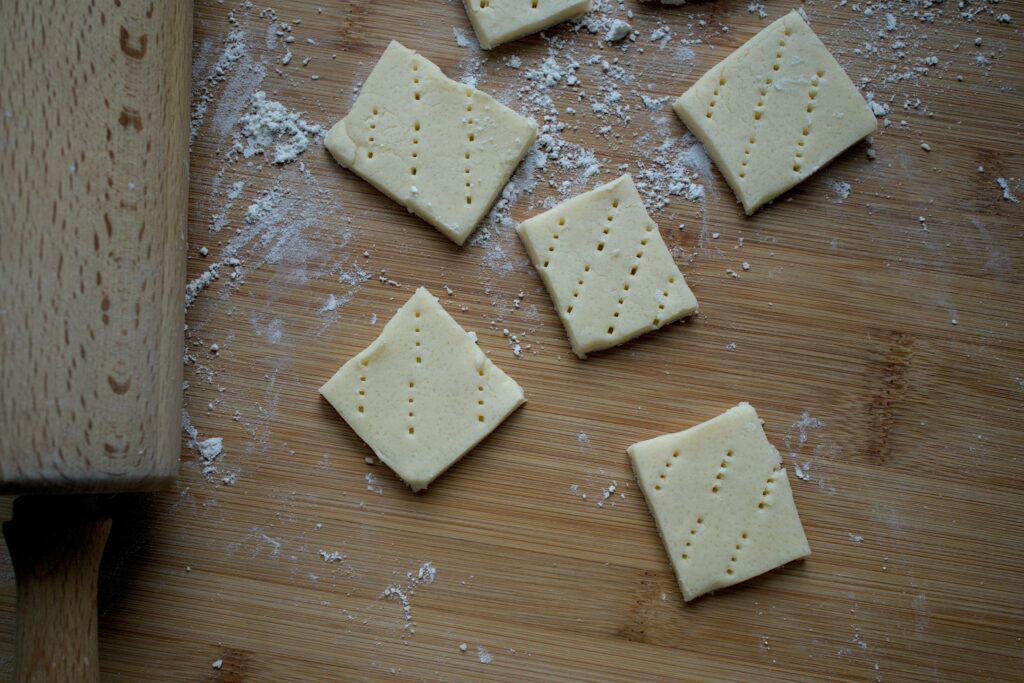
    Roll the dough out to 1cm thickness between two sheets of baking paper. Prick with a fork and cut into triangles, squares, or shapes with a biscuit cutter, repeating until all the dough is used. Handle the dough as little as possible, since the high butter content can make it greasy.

  • Chill:

    Place the cut shortbread on the prepared trays and chill for 30 minutes.

  • Bake:

    Bake in a preheated oven at 170°C (338°F) for about 20 minutes, until just turning brown at the edges.

  • Cool:

    Leave the biscuits on the tray to set slightly before transferring to a wire rack to cool completely.

  • Finish:

    Dust with caster sugar once cool. Store in an airtight biscuit tin.

Serving Suggestions

Shortbread is best kept simple. Try it:

With tea or coffee: the classic pairing for cold, cosy evenings.
As a gift: a tin of homemade shortbread makes a lovely Christmas present.
Alongside other biscuits: pairs well with crunchy coconut oat cookies on a holiday cookie plate.

Tips for Buttery Shortbread

Add rice flour for crunch: 2 tablespoons of fine rice flour gives the biscuits a bit more bite.
Chill before baking: set aside enough time to chill the dough properly before it goes in the oven.
Let them set before moving: because of the high butter content, shortbread can break easily if lifted too soon — let it cool briefly on the tray before moving it to a wire rack.

Origins of Shortbread

Shortbread is a traditional Scottish biscuit, typically made from one part white sugar, two parts butter, and three parts oat flour, with ground rice or cornflour sometimes added to adjust the texture. Modern recipes often split the sugar into equal parts granulated and icing sugar, with a portion of salt added too.

Shortbread originated in Scotland, with the first printed recipe dating back to 1736, credited to a Scotswoman named Mrs McLintock. It remains closely associated with Christmas and Hogmanay celebrations in Scotland, and the Scottish brand Walkers Shortbread is now exported worldwide.

Watch the Video

Buttery Short Bread Biscuits

Recipe Card

Print
clock clock iconcutlery cutlery iconflag flag iconfolder folder iconinstagram instagram iconpinterest pinterest iconfacebook facebook iconprint print iconsquares squares iconheart heart iconheart solid heart solid icon

Easy Elderberry Jelly Recipe


5 Stars 4 Stars 3 Stars 2 Stars 1 Star

No reviews

  • Author: Chitra
  • Total Time: 1 hour
  • Yield: 400 ml 1x
  • Diet: Vegan

Description

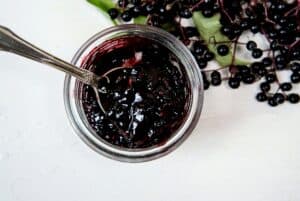
Easy elderberry jelly is made with fresh elderberries and jam sugar. The beautiful deep colour and delicious sweet-tart flavour is a perfect spread on toast, scones, fresh bread, or served with cheese.


Ingredients

Scale
    • 1 kg Fresh ripe elderberries after picking from stalks
    • 1/2 cup Water
    • 500 gm Jam sugar
    • Fresh lemon juice (optional)


Instructions

  1. Prepare the berries: Remove the elderberries from their stems and discard any leaves, stalks, and unripe or damaged berries. Using a fork is easier when the berries are ripe.Rinse well.
  2. Mix the Sugar: Mix the jam sugar into the berries and set it aside for 30 min. This releases the juice from the berries.
  3. Cook the berries: Place the elderberries and jam sugar mixture in a large saucepan with enough water to prevent them from sticking. Bring to a boil, then simmer until the berries are soft and have released their juice.
  4. Strain: Pour the cooked berries through a jelly bag or fine-mesh sieve lined with clean cloth. Allow the juice to drain naturally.
  5. Cook the jelly: Place the sweetened juice mixture in a large saucepan. Add a little lemon juice if desired. Bring to a rapid boil and cook according to the jam sugar instructions.
  6. Test the set: Place a small amount of jelly onto a chilled plate. Allow it to cool briefly, then gently push it with your finger. If it wrinkles, the jelly is ready.
  7. Jar the jelly: Carefully pour the hot jelly into clean, sterilized jars. Seal and allow to cool.

Notes

  • Always cook elderberries thoroughly before eating.
  • Use the instructions on your jam sugar packet, as sugar ratios and cooking times can vary between brands.
  • For a clearer jelly, allow the juice to drain naturally without squeezing the jelly bag.
  • Use a juicer to extract the juice and then cook. I have done both ways.
  • Store sealed jars according to safe home-preserving guidance and refrigerate after opening.
  • Prep Time: 30 Mintues
  • Cook Time: 30-40 Minutes
  • Category: Preserves
  • Method: Stove Top
  • Cuisine: European

Nutrition

  • Serving Size: 20g
  • Calories: 50
  • Sugar: 12g
  • Fat: 0g
  • Saturated Fat: og
  • Unsaturated Fat: 0g
  • Trans Fat: 0g
  • Carbohydrates: 13g
  • Fiber: 0g
  • Protein: 0g
Your feedback is valuable

If you try this recipe and love it, I would love if you come back and gave it 5 stars! Thank you so much for visiting Vital Fair Living – we’re so happy you’re here! I would love it if you can share this recipe using the social media buttons you see next to the post.

Leave a Reply

Your email address will not be published. Required fields are marked *

Frequently Asked Questions

Shortbread originated in Scotland, with the first printed recipe dating back to 1736. It remains closely associated with Christmas and Hogmanay celebrations there.

Yes — it’s optional and mainly adds a bit of extra crunch. The recipe works fine without it.

The high butter content means the dough can turn greasy if handled too much, so it’s best to work it as little as possible.

We don’t spam! Read our privacy policy for more info.

Leave a Reply

Your email address will not be published. Required fields are marked *