Disclosure: This post contains affiliate links, meaning, at no additional cost to you, we will earn a small commission if you click through and make a purchase. Learn more
A tricky, slow-yielding summer following a delayed spring — a Vitabella potato harvest, hand-pollinated eggplants, and a lot of overgrown weeds to clear.
This summer’s organic garden was tricky — a difficult season overall due to a delayed spring. There hasn’t been much of a harvest yet, and July was a relatively slow month in the garden. There’s still plenty to learn about gardening in this erratic climate.
Table of Contents
Planning for the Fall Garden
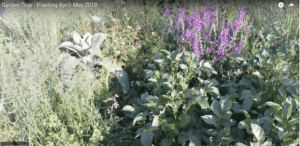
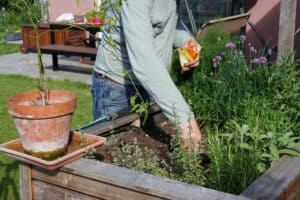
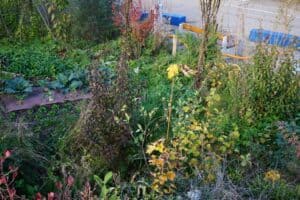
A bad start to spring set the tone — the first mistake was being away during the crucial early spring weeks. Planting began, then the garden got a bit neglected due to other urgent projects taking priority. With that in mind, getting a head start on the fall garden felt important. By July, the garden was overgrown with weeds and grass, so the first job was tackling that overgrowth before any productive fall planning could really begin.
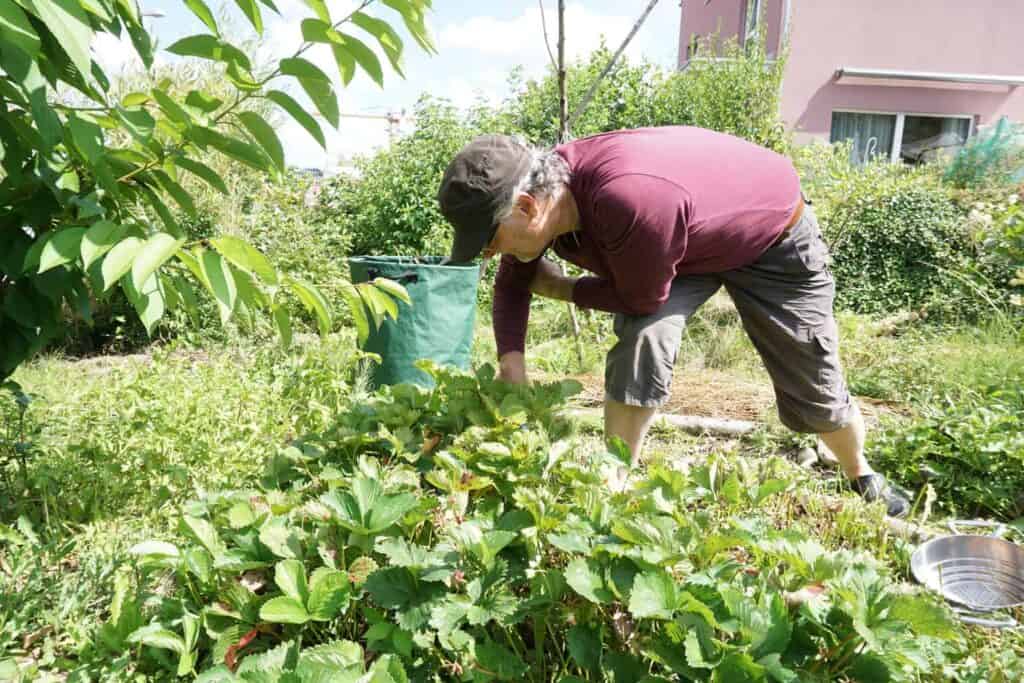
De-weeding all the overgrown patches came first, followed by trimming the strawberry patch — necessary if a second strawberry yield in autumn was going to happen, since the bushes need trimming to flower and fruit again. That step got skipped the year before, and the yield suffered for it. Lesson learned.
Harvest from the July Garden
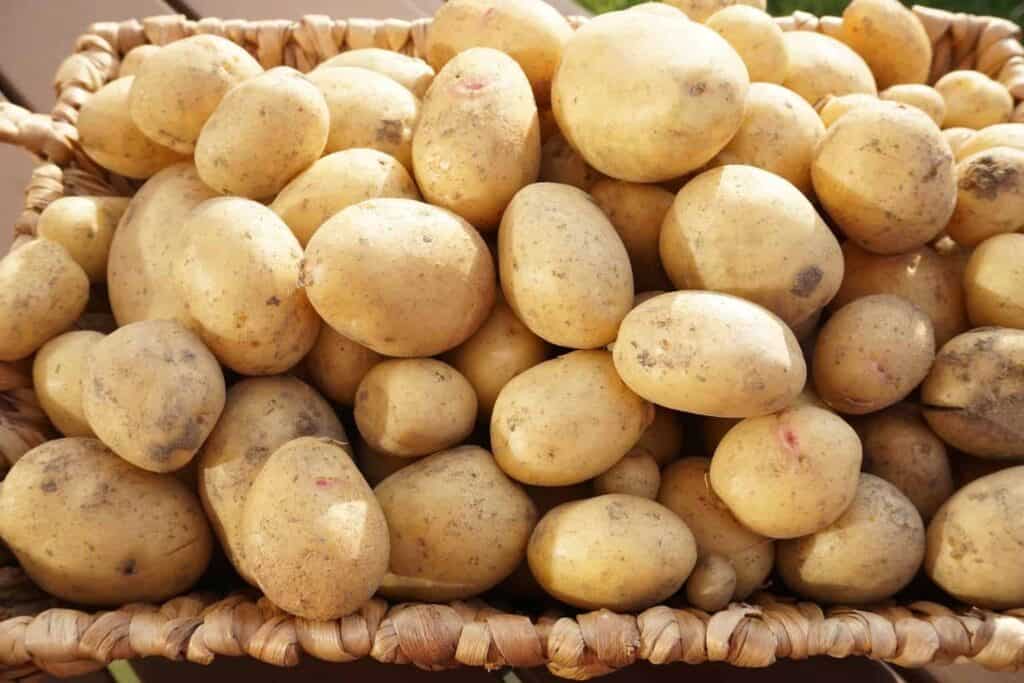
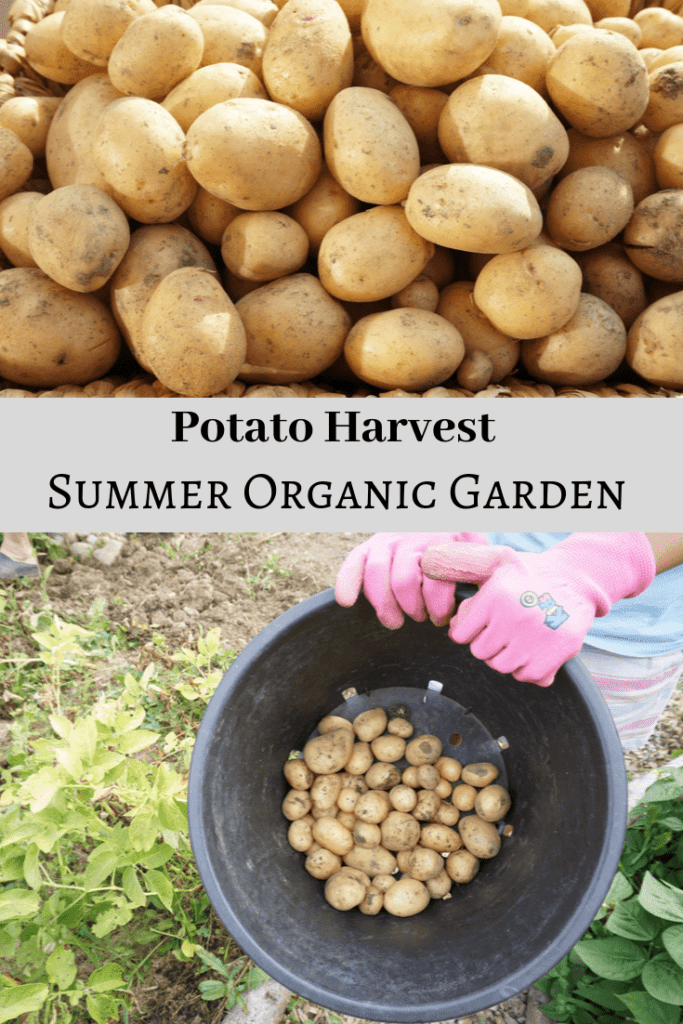
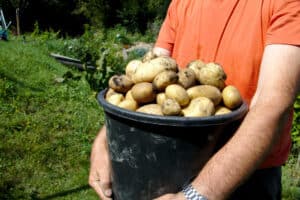
A few potato varieties went in this year, covered in an earlier June garden post, and the first patch finally got harvested — a tasty variety called Vitabella. These potatoes are a very light yellow, oval-shaped, with only a few eyes, and genuinely some of the best-looking potatoes grown here so far. They turned out smaller than expected, which was a bit of a surprise, but cooked up well both boiled and grilled — a tasty, buttery variety that holds its shape nicely after cooking. Definitely one to recommend.
Harvest Report: What Came In and What Didn’t
Supplies List
Vitabella potatoes
Carrots (from greenhouse)
Eggplants (hand-pollinated)
Butternut squash
Tomatoes, cucumbers, zucchini
French beans, lettuce
Instructions
More Harvest from the Greenhouse:
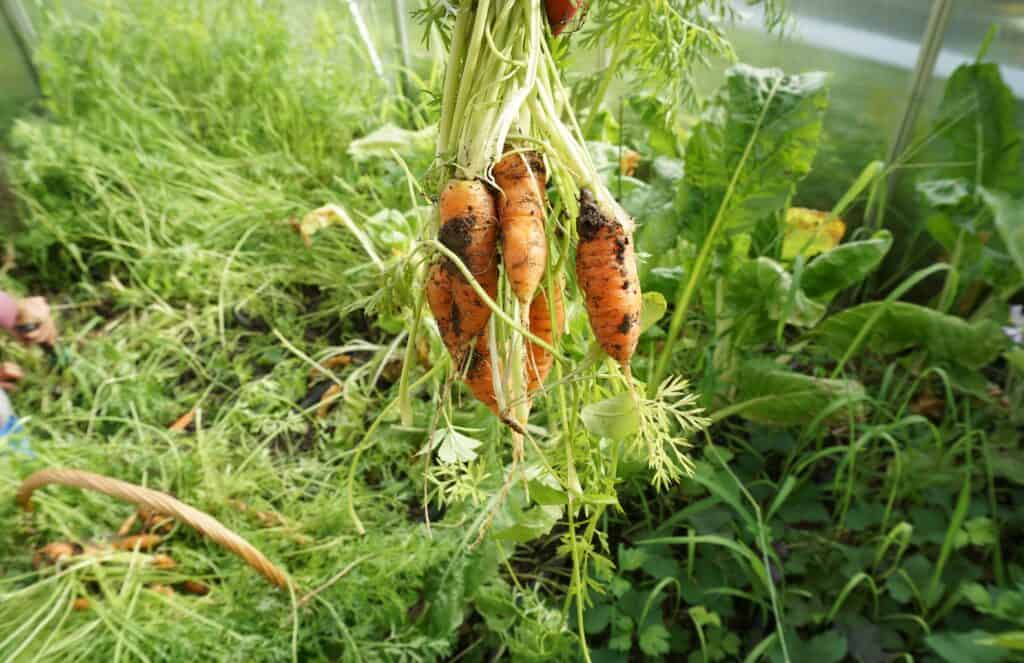
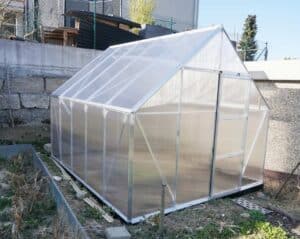
All the carrots came out of the greenhouse this round — planted a bit too close together, they didn’t have enough room to grow to full size underneath. Since the ground outside was warmer than back in April, carrots can grow in regular patches too, so clearing the greenhouse crop freed up valuable space for fall planting. The yield was good, even if the carrots themselves ran on the smaller side.
Manual Pollination of Eggplants:
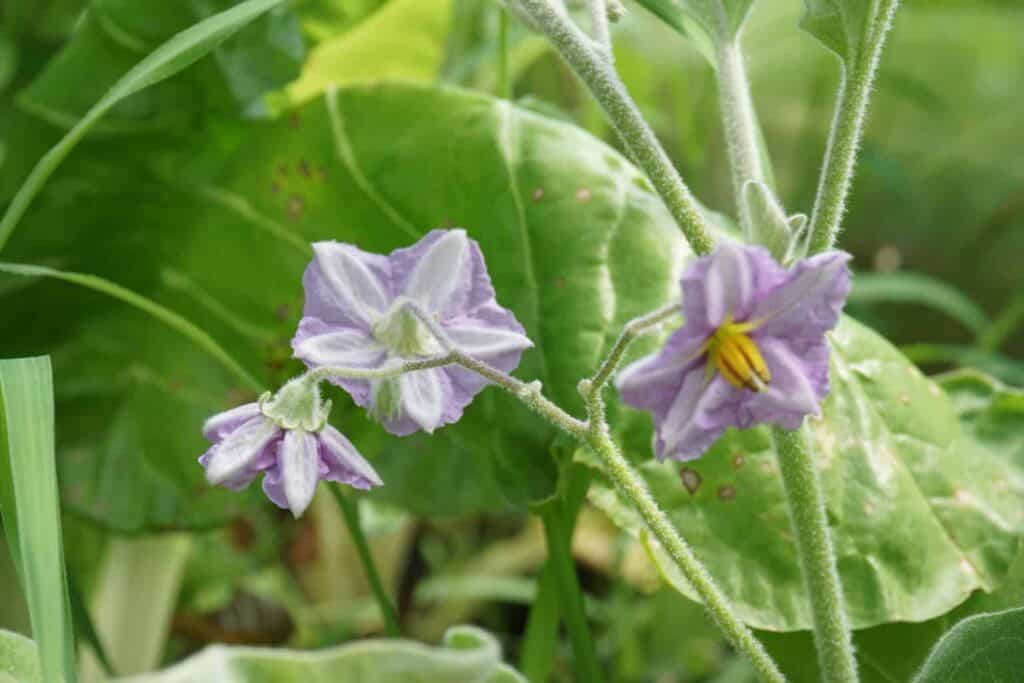
A lack of bees is a common problem across Europe these days, and this garden is no exception — especially inside the greenhouse. Most other plants, like bell peppers and various creepers, can self-pollinate, but eggplants can’t. Plenty of flowers appeared, but without pollination they just fell off. Overgrowth and windows that shut automatically once the temperature drops were likely keeping bees out of the greenhouse altogether. The fix was pollinating by hand — a cotton bud, worked around each flower to mix the pollen — and it’s already showing results, with eggplants finally starting to appear.
Hoping for More Squash and Tomatoes:
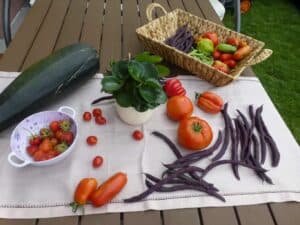
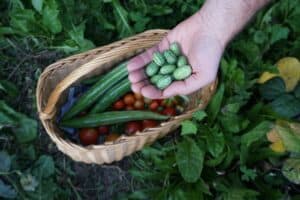
By the end of July, the first sun-ripened tomatoes and a couple of butternut squash finally showed up. French beans, tomatoes, cucumbers, zucchini, and some lettuce were all being harvested at this point too, though the yield was noticeably less than the year before. Fingers crossed for a better showing come August.
Trim strawberries for a second yield: cutting back the bushes after the first harvest encourages a second round of flowering and fruiting in autumn. Don’t overcrowd carrot seeds: planting them too close together leaves no room to grow to full size underground. Hand-pollinate if bees are scarce: a cotton bud worked around each flower can stand in for bees on plants like eggplants that can’t self-pollinate.
Watch the Video
Frequently Asked Questions
Why Trim Strawberry Bushes After the First Harvest?
Trimming encourages the bushes to flower and fruit again, giving a second strawberry yield in autumn — skipping this step leads to a much smaller second harvest.
Why Didn’t the Carrots Grow to Full Size?
The seeds were planted too close together in the greenhouse, leaving them without enough room to grow bigger underground.
How Do You Pollinate Eggplants Without Bees?
A cotton bud worked gently around each flower to mix the pollen can substitute for bees — useful for plants like eggplants that can’t self-pollinate.