Disclosure: This post contains affiliate links, meaning, at no additional cost to you, we will earn a small commission if you click through and make a purchase. Learn more
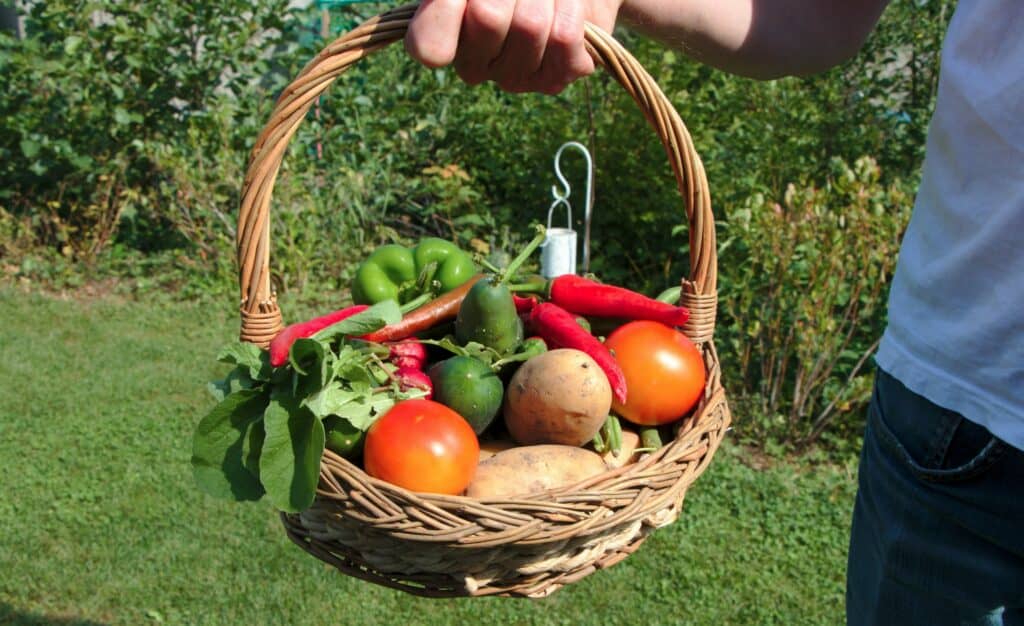
After a season of planting and tender loving care, harvest is finally here — onions, potatoes, chilies (turned into three different ferments), and a great cucumber crop among the highlights.
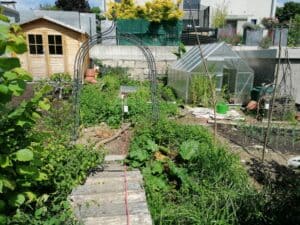
After the planting season and the tender loving care that goes into it, the next phase is the harvest. Here’s a look at what came out of this no-dig summer garden this year.
Writing about this harvest had been on the list for about 3 weeks, with so many unexpected projects around the house and garden creeping in along the way. A lot got accomplished in those weeks — plenty of DIY projects around the house and garden, alongside the usual reorganizing, cleaning, and canning. Summer flew by, and autumn is already creeping in with falling temperatures.
Table of Contents
Our Summer Vegetable Garden
Heirloom seeds went into the ground this spring, given everything going on with the shutdowns. The no-dig summer harvest was a success with some vegetables, while others turned out almost negligible — a relatively cool summer meant a few of the more special plants didn’t thrive as hoped.
It’s something of a gamble with certain plants — a few likely came out of the greenhouse too early and were slow to catch up once outside that environment. Between the timing and a lack of enough warm days, some vegetables just didn’t do well, and a couple have been given up on entirely. Still, there were plenty of successes this year — it’s all learning and experimenting as the seasons go.
Harvesting Onions
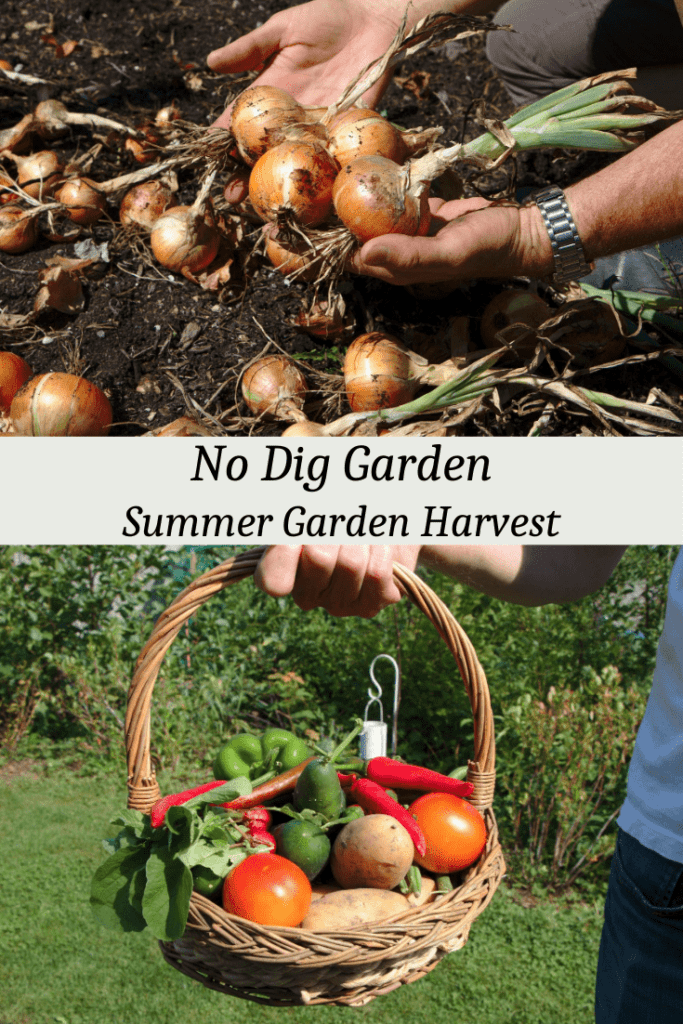
A couple of onion varieties went in this year, red and regular white. A wet summer meant plenty of water for the onions, and they grew to a noticeably better size than the year before — planting them in a different spot this time helped too. Harvest happened on a really sunny, hot day, since onions need to dry out a little on the ground before being stored inside.
No Dig Summer Harvest, Crop by Crop
Supplies List
Onions (red & white)
Potatoes (several varieties)
Heirloom chilies & bell peppers
Cucumbers, lettuce, spinach
Radishes, zucchini, herbs, rhubarb
Strawberries, blueberries, Physalis
First pumpkin of the season
Instructions
No-Dig Potato Harvest:
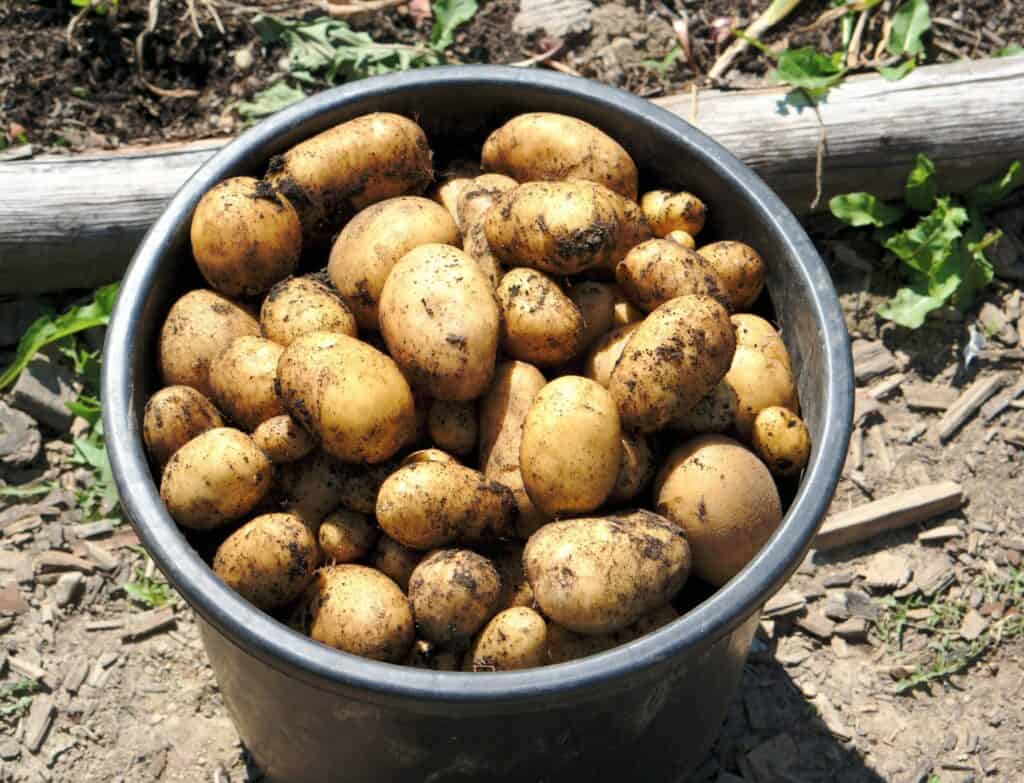
Potatoes go in every year, since everyone loves them and they’re usually easy to grow in this climate. The trick is never planting them in the same patch — rotating every 2 years is the rule. A few varieties besides Charlotte potatoes were planted this year, harvested in batches since this is the main storage crop. Best practice is waiting until the foliage turns yellow, cutting it down and removing it, then waiting 10 days before harvesting the tubers, and drying them for a few hours before storing.
Potato Storage:
Jute bags in a cool, dark, dry place work well for storage — wooden crates were the usual choice before, but they’d ended up scattered all over the cellar, so a proper storage unit finally got built instead, meant for long-term potato and pumpkin storage. The key rule: never store potatoes with onions or apples, since they emit ethylene gas that speeds up ripening and causes potatoes to start sprouting.
Chili Harvest:
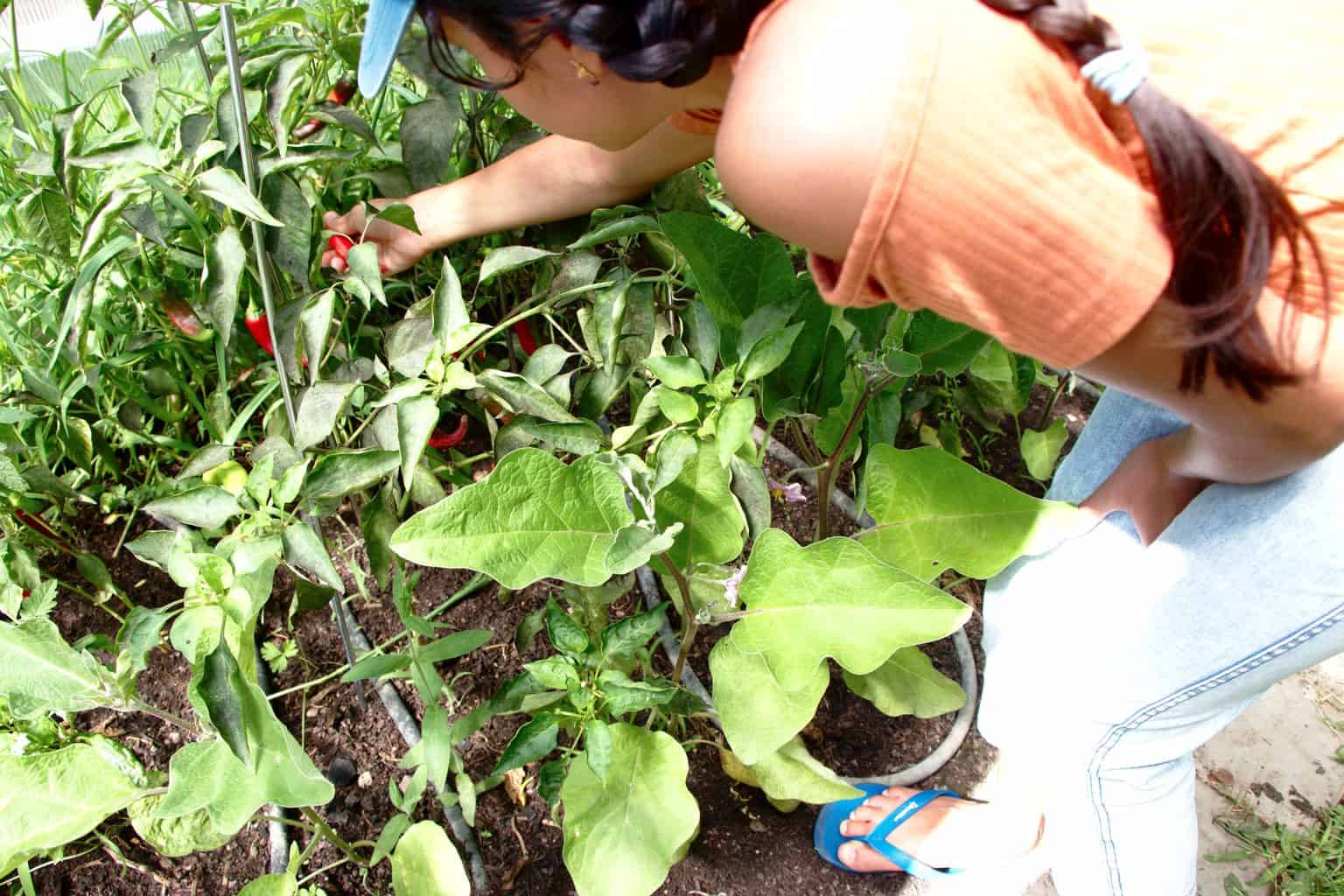
Chilies need warmth, so a few went into the greenhouse, heirloom varieties only, sharing half the space with bell peppers. The chilies outperformed the bell peppers this year — and turned out to be an extremely hot variety, though the exact name is unknown. While still green, some went into Indian pickles, others got fermented into a green chili sauce. Once ripened, another batch was fermented into a hot chili sauce, with a small batch set aside to sundry for later use.
More Summer Vegetables:
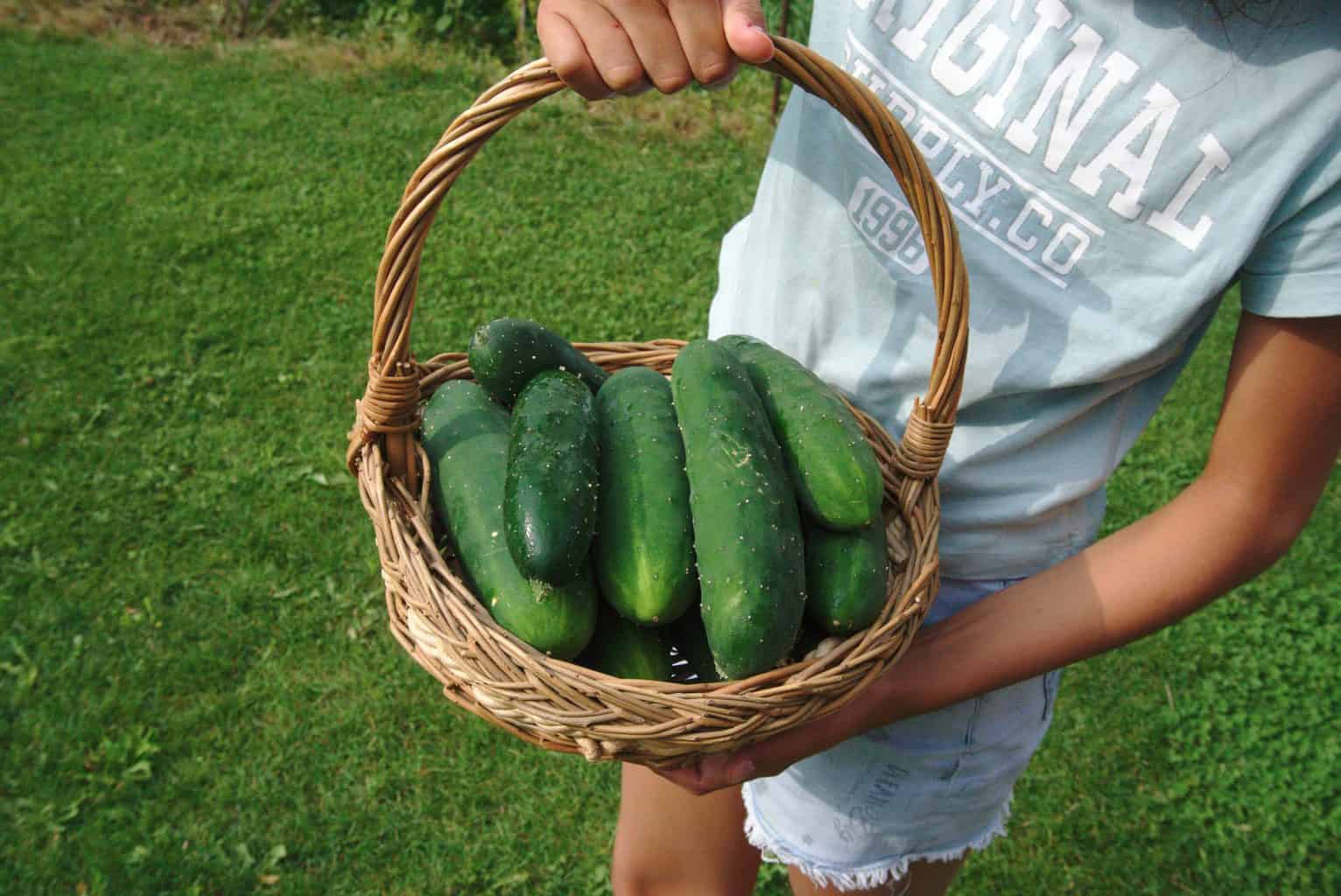
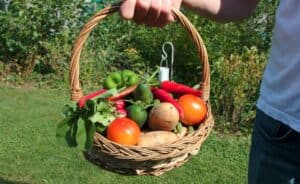
Plenty more came in too — cucumbers, lettuce, spinach, salad radishes, zucchini, herbs, and the usual rhubarb, along with strawberries (fewer than last year), some blueberries, and Physalis from the greenhouse. The cucumber harvest was especially good, with about half of it fermented into lacto-fermented pickles — a great snack and side dish, with enough left over to share with neighbors.
Cooking from the Garden
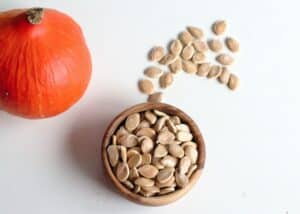
Early on, it didn’t look like there’d be much to harvest, but by mid-July and into August, meals were being cooked almost entirely from what the garden produced. The first pumpkin of the season came in around then too. With fall temperatures already creeping in, the fall garden is next — planting for it started just last week.
Lessons from This Harvest
Rotate potato patches: never plant potatoes in the same spot two years running — rotate on a 2-year cycle. Keep potatoes away from onions and apples: the ethylene gas they release speeds up sprouting and ripening. Don’t rush greenhouse transplants outside: moving heat-loving plants out too early can leave them slow to recover, even once conditions improve. Ferment the surplus: a big cucumber or chili harvest is a good excuse to try lacto-fermentation.
Plenty of DIY projects happened around the house and garden alongside the harvest itself — interesting and useful enough that they really deserve a post of their own down the line, rather than a quick mention here.
Watch the Video
Frequently Asked Questions
Why Should Potatoes Be Stored Away from Onions?
Onions and apples release ethylene gas, which speeds up ripening in potatoes and causes them to start sprouting sooner.
How Long Should You Wait Before Harvesting Potatoes?
Once the foliage turns yellow, cut it down and remove it, then wait about 10 days before harvesting the tubers, drying them for a few hours before storing.
What Can You Do with a Big Chili or Cucumber Harvest?
Fermentation works well for both — lacto-fermented cucumber pickles make a great snack or side, and chilies can be fermented into a hot sauce, whether green or fully ripened.
Your feedback is valuable
Are you also growing your own food, considering the turbulent times with supply chain shortages? If you’ve been growing your own vegetables, I’d love to hear your gardening tips. Thank you for taking the time to read this no-dig summer harvest post — leave a comment, I’d really love to know! Thank you so much for visiting Vital Fair Living – we’re so happy you’re here!