
Top Tips to eat Organic on a budget
Disclosure: This post contains affiliate links, meaning, at no additional cost to you, we will earn a small commission if you click through and make a purchase. Learn more
- Home
- Home & DIY
- Budgeting
- Top Tips to eat Organic on a budget
25 years of eating clean and organic on a budget, distilled into real tips — from balcony gardening to bulk buying to canning the garden’s excess, learned the hard way over two decades in Switzerland.
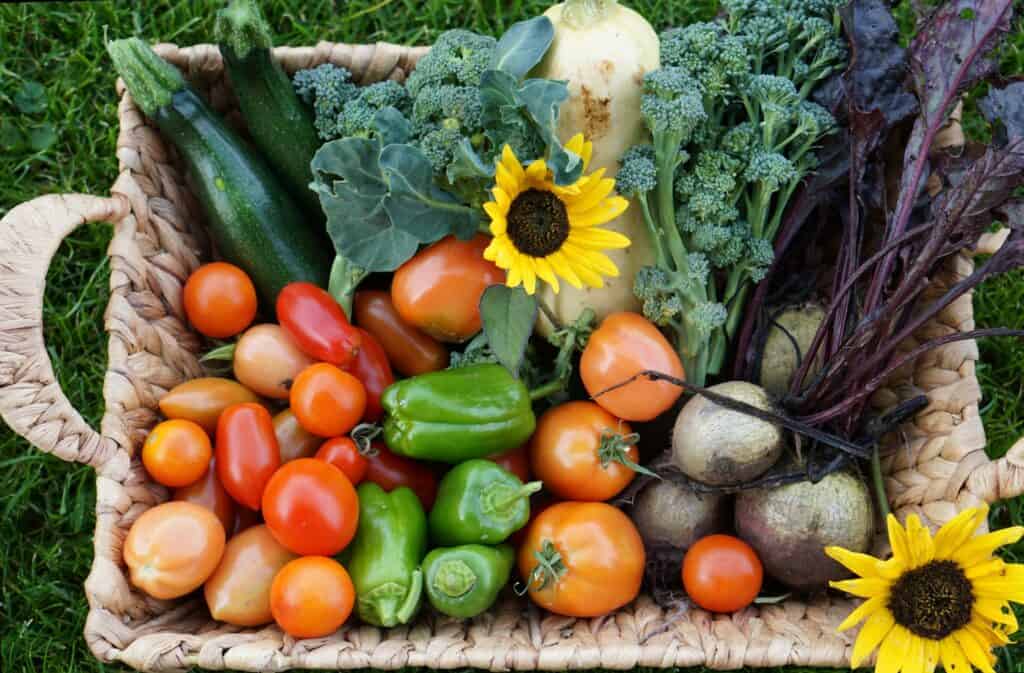
Eating organic while aiming for a healthy lifestyle can be a real challenge on a budget. This post shares some genuine tips for eating organic on a budget, drawn from 25 years of experience eating clean and organic food.
The drive toward eating healthy and organic has grown fast over the past decade, fueled by social media and internet awareness — and supermarkets and food producers have taken notice. The organic food industry has become a genuinely massive business, with everyone wanting a slice of it. So how can organic, healthy eating stay realistic even when the budget doesn’t always match market prices? First, a quick look at the upsides of eating organic.
Table of Contents
Pros of Eating Organic Food
The benefits of organic food generally outweigh the downsides of conventional produce. Organically grown food avoids synthetic chemicals and pesticides, is non-GMO, and tends to be nutritionally rich and flavorful. There’s growing concern that conventionally grown produce, along with GMO and pesticide-treated foods, may be linked to a range of health issues — which is part of why organic eating has been the standard here for almost 3 decades. The real downsides are the higher cost, and sometimes a compromise on quality given how competitive the market has become.
What’s in It for the Consumer?
The real goal as a consumer is making the budget stretch while still eating clean and organic. Since this household is based in Switzerland, these tips will naturally look a little different for readers elsewhere — they’re meant as a general framework to adapt to wherever you are.
1. Grow Your Own Food
Between smart cities and more people embracing urban living, this one is genuinely harder these days — but it’s worth trying regardless. In an apartment or high-rise, even a balcony can support fresh herbs and vegetables. Bell peppers, tomatoes, chilies, ginger, and herbs like parsley, coriander, and basil all thrive in a balcony setting without needing much space — and balconies in Europe are usually positioned to catch the most sun.
Real gardening progress and lessons have been shared here over the past couple of years, worth a look for ideas.
Rent an Allotment Plot
City dwellers tired of concrete surroundings sometimes rent an allotment plot outside city limits instead — a common sight while traveling through Northern Europe. In Switzerland, these are usually leased for 5 or 10 years, and it’s worth checking whether similar options exist locally. Beyond the growing space itself, a gardening community like this also offers a lot of shared knowledge.
3. Canning Fresh Produce on a Budget
Supplies List
- 1. Grow your own food
- 2. Buy in bulk
- 3. Can fresh produce
- 4. Freeze fresh produce
- 5. Cook from scratch
- 6. Use the Dirty Dozen/Clean 15
- 7. Stay organized
- 8. Meal prep if needed
- 9. Budget your food spending
Instructions
2. Buy in Bulk:
Bulk buying has genuinely saved a lot of money over the past 2 decades. A big shop happens once every 3 to 4 months for staples — grains, spices, oil, dry fruit, nuts, and seeds. Cosmoveda, a German online store stocking organic Indian pulses, spices, and specialty foods, fills a real gap here, since those items aren’t easily found locally in Switzerland. Before the current home, bulk-buying meant stocking canned and fresh produce, like pumpkins and carrots bought directly from an organic farmer in autumn, to last through to spring.
Look Out for Special Offers:
Snapping up offers like “buy 2, get 1 free” in the organic section is a regular habit, especially for dry staples like rice, flour, and sugar. There aren’t coupons in Switzerland, but organic dry staples often get discounted by up to 20% periodically — a good time to stock up on oil, rice, grains, and pasta.
Pros of Bulk Buying:
Bulk buying saves on transportation, time, and money all at once. Not exactly a prepper, but genuine unease would set in without at least 3 months of food supplies in the larder — a real safety net in case of economic crisis, conflict, or other disruptions. A husband and wife team have practiced bulk buying together for 25 years, and it’s helped keep the food budget low through a recent financial transition, all while staying fully organic.
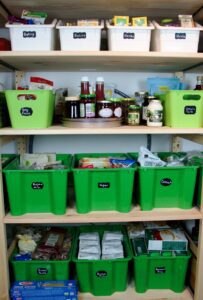
A whole annex is set aside for dry staple storage, with the pantry organized to track supplies and avoid running low unexpectedly — a full reorganization happened a couple of years back after moving into the current home, which now keeps waste, expiry dates, and pests all in check.
Cons of Bulk Buying:
It needs good storage — a cool, dry space to keep unwanted pests away from food. The upfront cost runs higher too, and planning ahead becomes essential. The real risk is buying too much and letting food spoil or expire, so sticking to longer-shelf-life staples like rice, whole grains, sugar, and pulses — which keep for up to a year in the right conditions — helps avoid that.
7. Stay Organized and Plan Meals Ahead
Since starting to grow vegetables, canning has become a real habit — a way to enjoy the garden’s excess well into spring, or even until the next harvest. This method works even without a garden: buying fresh, in-season produce at an organic farmers market and canning it works just as well, and produce in season is always cheaper while supporting a local farmer too.
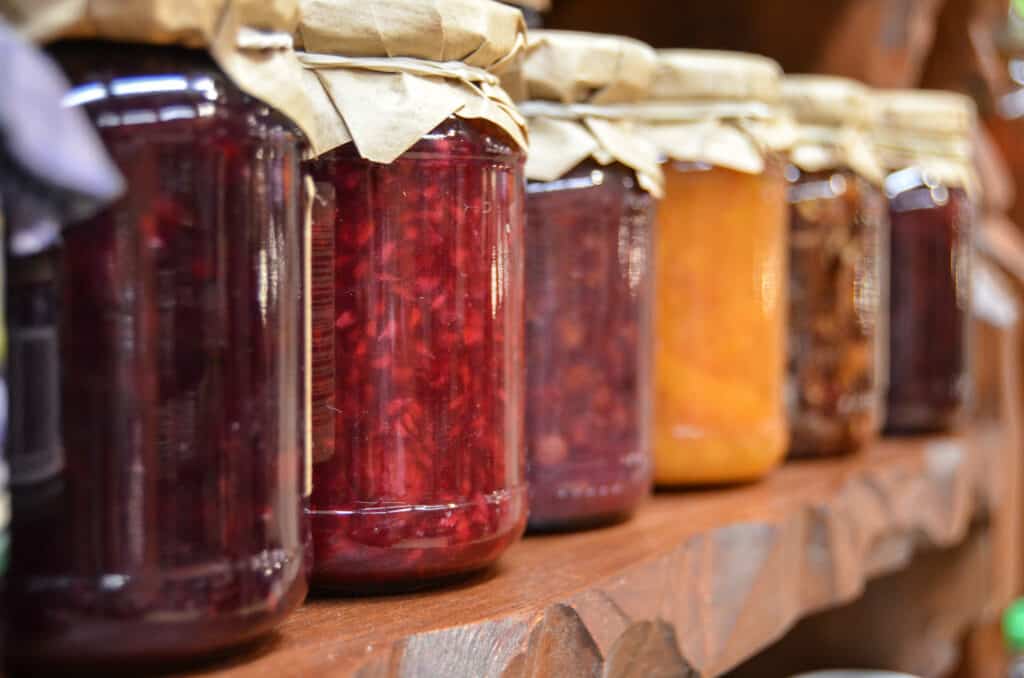
Cabbage, tomatoes, berries, and apples get canned regularly here, with excess vegetables turned into pickles and berries turned into jams and jellies during the season — avoiding the high price of small jars of organic jam from the store. Summer and autumn stay genuinely busy with canning as a result.
Organic canned produce is often cheaper than fresh too, so stocking canned tomatoes, peas, beans, and fruit is worth it if there’s pantry or basement space — tinned tomatoes even taste noticeably better than fresh tomatoes during winter months. A whole crate of them got stocked up last year after a poor summer harvest.
4–6. Freeze, Cook from Scratch, and Check the Lists
Freeze fresh produce when there’s space: frozen organic produce often costs less than fresh, and a good freezer pays for itself — the first gardening year meant giving away a lot of extra produce before investing in a bigger freezer the following year, which now lives in the basement laundry room.
Cook from scratch: genuinely one of the best ways to eat organic on a budget, avoiding added sugar, fat, salt, and unnecessary additives — milling grain at home for baking is part of this too, and cooking extra to freeze helps avoid reaching for expensive ready meals.
Check the Dirty Dozen and Clean 15: ewg.org publishes an annual list of produce with higher and lower pesticide residue — sometimes a fresh, juicy item from the Clean list is a better buy than an older, wrinkled organic one at a premium price.
8. Meal Prep If Needed
Getting organized in the kitchen is genuinely key to eating organic on a budget. Storing food in airtight containers within easy reach, and checking expiry dates, along with organizing and cleaning the pantry at least once every 3 months, helps limit spending on foods that end up forgotten and unused.
Buying fresh produce without packaging and investing in good fridge containers helps it stay fresh longer — genuine Tupperware Fridge Smart containers here have kept food waste close to zero. More detail on this system is covered in an earlier post on zero food waste fridge organization.
9. Budget Your Food Spending
Meal prepping isn’t a personal habit, but good organization in both the fridge and pantry serves much the same purpose. For anyone who does meal prep, shopping fresh produce on offer first, then planning menus around it, is a sensible approach.
Plenty of fresh produce keeps for months in the right containers — carrots, beetroot, ginger, apples, cheese, and lemons all last well over a month in the fridge here. Potatoes, onions, and garlic can be stored long-term without refrigeration too, kept cool, dark, and separate from each other. Butter is another staple that keeps for over a month; any nearing its use-by date gets turned into ghee instead, which keeps even longer without refrigeration.
Health Benefits
Budgeting income for food was a habit early in marriage, though 20-plus years on, it’s no longer a strict practice — just a rough sense of what typically gets spent on weekly groceries. Being vegetarian and rarely eating out helps keep costs down naturally, since cooking almost every meal from scratch adds up to real savings.
Cheese is the one area still watched closely, for two reasons: good quality, rennet-free organic cheese runs expensive, and a daughter’s lactose intolerance complicates shopping further. Grass-fed raw milk, bought directly from local farmers, is worth the extra cost though — the goal is balancing where it matters most, without overthinking every small decision.
A few well-known organic brands worth looking for in Switzerland and Germany: Demeter, Coop Naturaplan, Bio Suisse, Bio Land, Davert, Rapunzel, and Naturata.

Frequently Asked Questions
An annual list published by ewg.org identifying which conventionally grown produce carries higher (Dirty Dozen) or lower (Clean 15) pesticide residue — useful for deciding where organic matters most.
Yes — organic canned produce is often cheaper than fresh, and canned tomatoes in particular can taste noticeably better than fresh tomatoes during the winter months.
Potatoes, onions, and garlic can all be stored long-term without refrigeration, as long as they’re kept cool, dark, and separated from each other.
Your feedback is valuable
Did you like this Top Tips to Eat Organic on a Budget post? What are your tips? Leave me a comment, I’d really love to know! Have some feedback you’d like to share? Leave a note in the comment section below! Thank you so much for visiting Vital Fair Living – we’re so happy you’re here! and thanks for taking the time to read this post. I would love it if you can share this post using the social media buttons you see next to the post.


2 Responses
Nice Article it’s really helpful
Thanks. I plan to share more such post, concerning current economic crisis. Stay in touch.