10 Prepper Pantry Planning Tips
Disclosure: This post contains affiliate links, meaning, at no additional cost to you, we will earn a small commission if you click through and make a purchase. Learn more
- Home
- Home & DIY
- Budgeting
- 10 Prepper Pantry Planning Tips
25 years of experience with long term food storage came in handy during 2020’s turbulence — not doomsday prepping, just a genuinely useful set of pantry planning habits worth sharing.
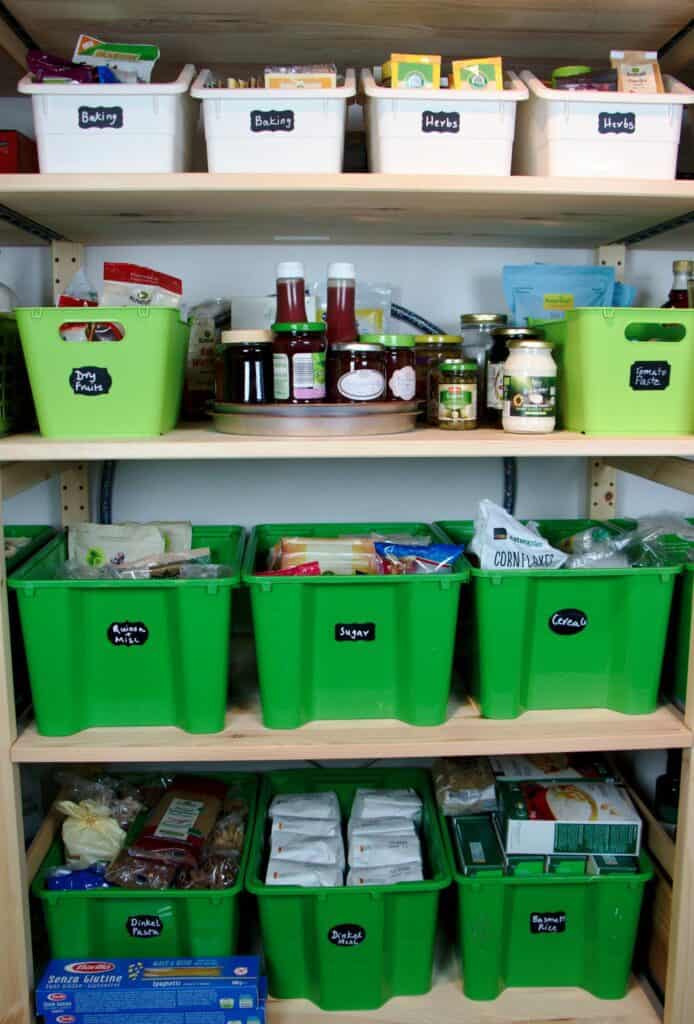
25 years of experience with long term food storage comes in handy now more than ever during these turbulent times. Not a doomsday prepper by any means, yet these top 10 prepper pantry planning tips could help anyone start one of their own.
2020 has been more turbulent than most years, and it pays to invest a little in long term food storage. Having some food security for family and loved ones is a genuine must, now more than ever.
Table of Contents
Reasons to Start a Basic Prepper Food Pantry
An earlier post covered tips to prepare for any emergencies, prioritizing the most important things needed first.
Some of the main reasons to start and plan a basic prepper pantry: preparing for unforeseen emergencies like natural disasters, epidemics, economic downturns, or personal setbacks such as losing a job or a long-term illness; saving money, since bulk buying pays off over time; genuine peace of mind; staying well-nourished and healthy through such emergencies; and saving time and fuel by cutting down on grocery trips.
Basic prepper pantry planning is actually easy. Ideally, having food storage for at least one to three months makes sense, on top of the regular kitchen pantry. The approach here has simply been storing the same things already in the kitchen pantry, with a few extras.
1. Take Small Steps to Start a Prepper Pantry
Start by making a list of what’s normally eaten, and stock a little extra on every shopping trip — no need to buy everything in the canned goods section at once, which is really just panic buying, like what happened in early March 2020.
Starting small, buying a little extra each time, avoids feeling the pinch in the grocery budget. Only what’s actually cooked and needed by the family gets bought here. Stocking extra water is worth doing too — a Katadyn hiker water filter is kept on hand for filtering water from the stream during emergencies.
2. Choose the Right Storage Space
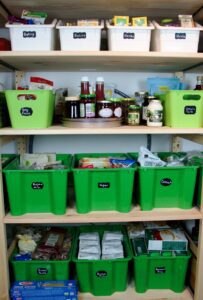
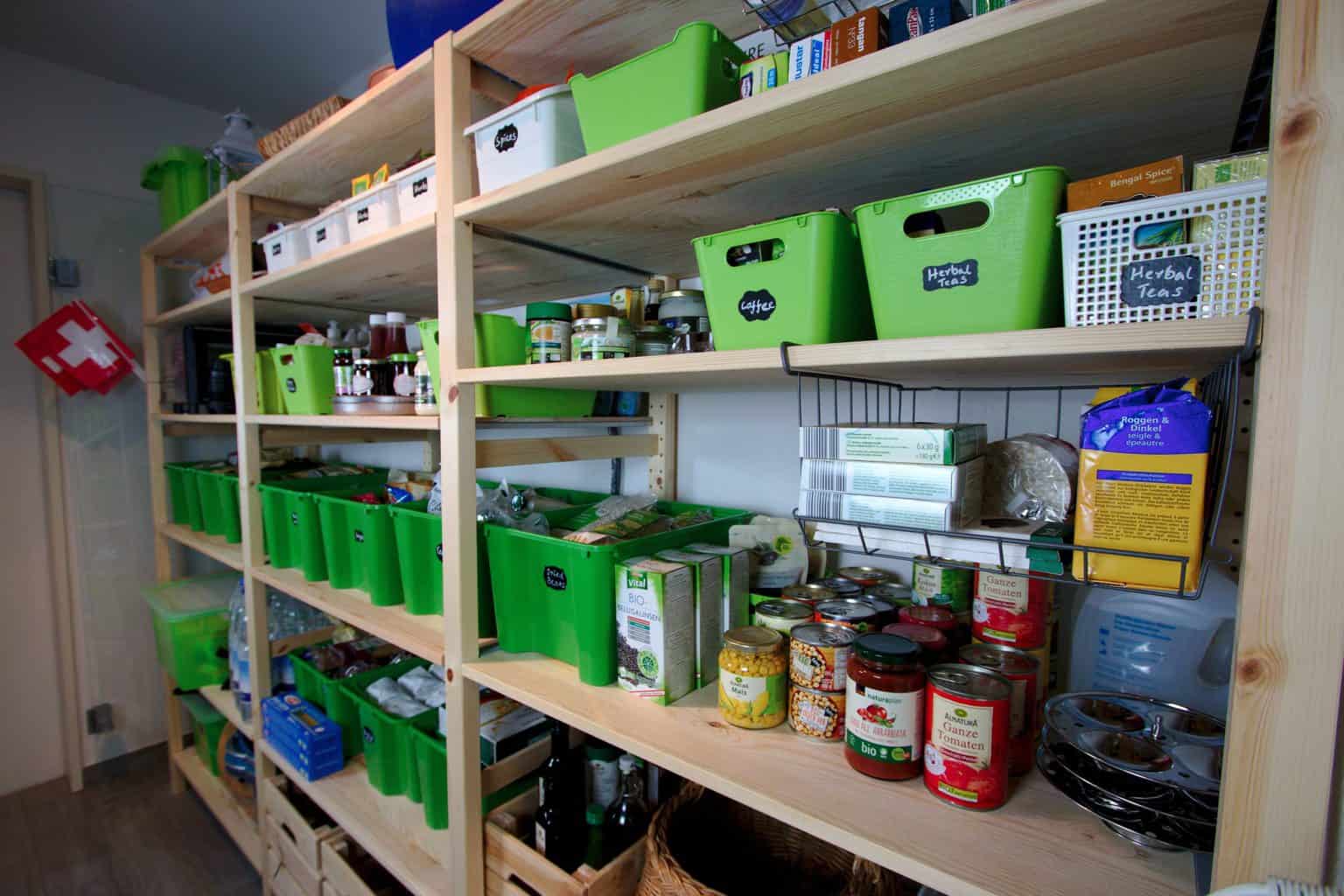
Allocate the right space for a prepper food pantry — somewhere with room for sturdy shelving, ideally a cool, dry room. A cellar space here holds a lot of IKEA shelving units, along with a dehumidifier to keep summer moisture under control. Keeping the space pest- and vermin-free matters too, since they can destroy stored food. A garage isn’t ideal, since it’s poorly insulated and can swing between very hot summers and freezing winters, which can damage food through repeated freezing and thawing.
3–6. Inventory, Dietary Needs, and Variety
Supplies List
- 1. Take small steps
- 2. Choose the right space
- 3. Maintain an inventory
- 4. Stock dietary needs
- 5. Stock food varieties
- 6. Store calorie-dense foods
- 7. Don’t forget supplements
- 8. Store shelf stable foods
- 9. Organize with a system
- 10. Plan meals from stock
Instructions
3. Maintain an Inventory or a System:
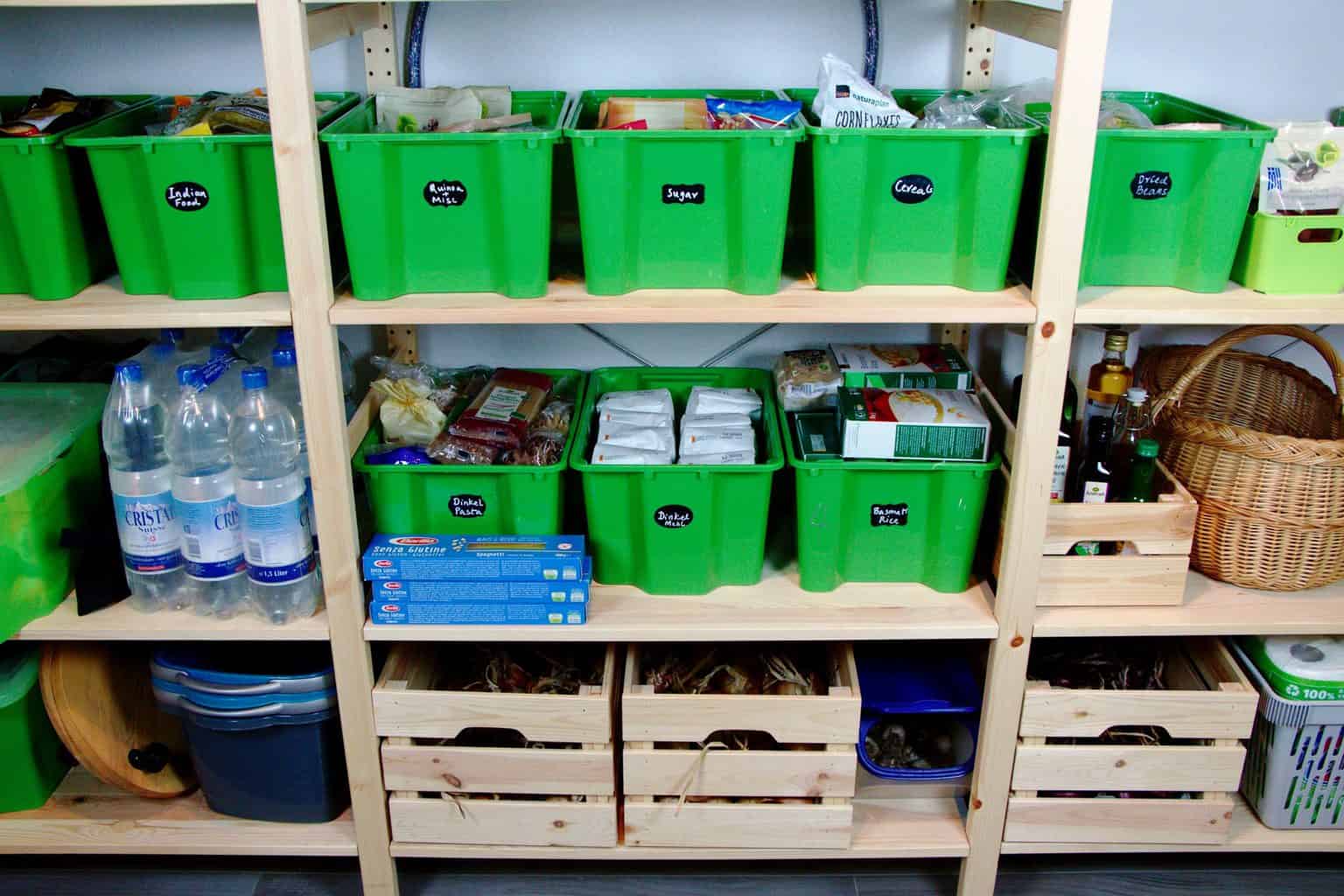
Keeping an inventory is practical, though a formal one isn’t used here, since the storage space isn’t huge. Food gets stacked one behind the other by use-by date, longer-shelf-life items further back. IKEA plastic storage tubs, labeled clearly, give a good overview. A spreadsheet works just as well for anyone who prefers a more formal system.
4. Stock Your Family’s Dietary Needs:
It’s easy to get caught up buying things that end up barely eaten, just because they were on offer — a mistake made here too, and one that meant finishing off food nobody really wanted. With food intolerances and a vegetarian diet in the family, beans and rice get stocked heavily for wholesome meals. Early in the pandemic, supply chain disruptions took spelt flour, spelt grains, and other organic whole foods off store shelves for weeks — foods this family relies on heavily. Thanks to prepper pantry planning already in place, those foods could still be eaten until they became available again.
5. Stock Up on Varieties of Food:
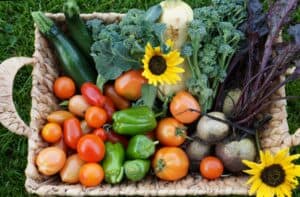
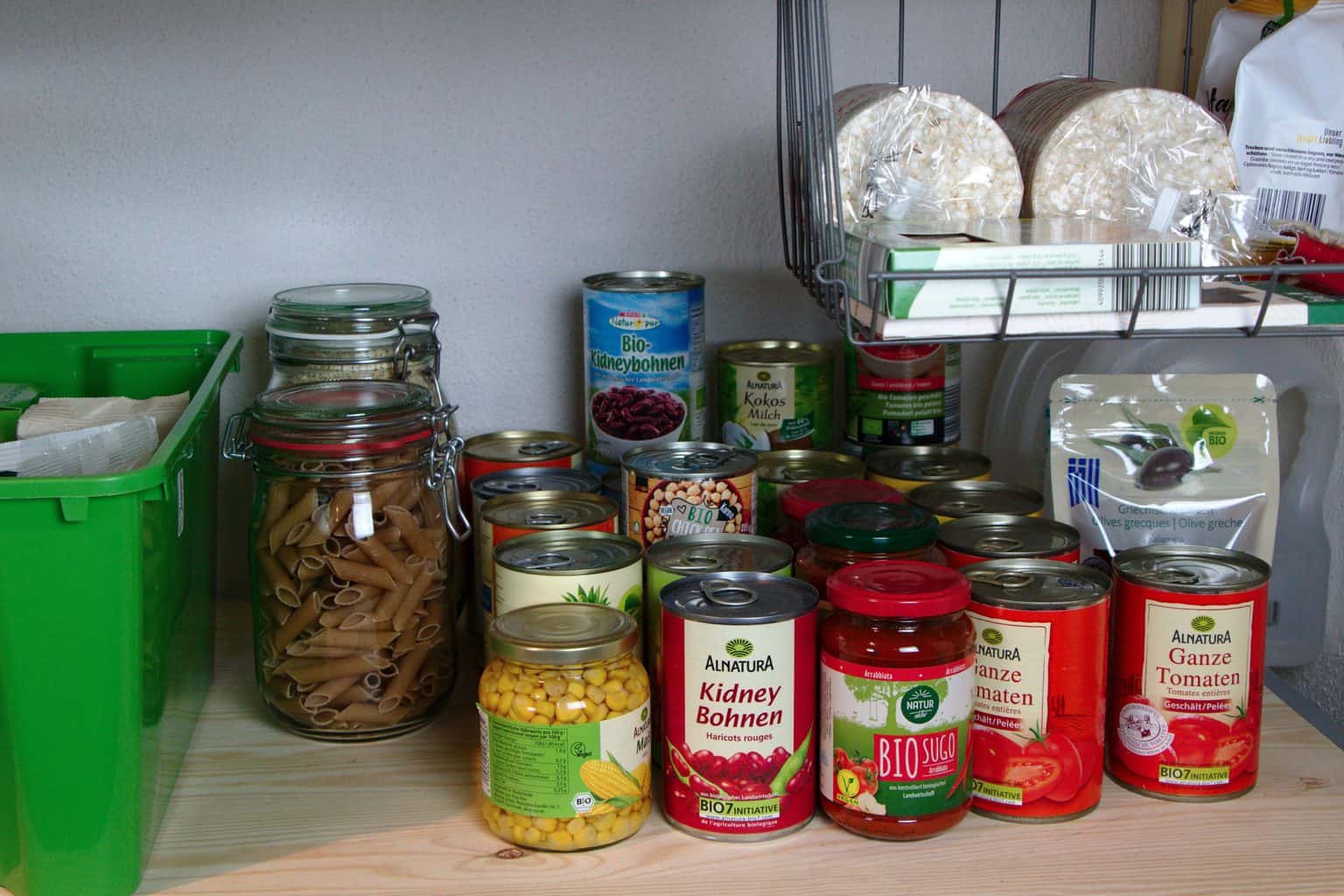
Cooking everything from scratch already means stocking a wide variety of whole foods — spices, herbs, honey, canned fruit, coffee, and tea included. Some canned goods and pasta sauces that need no cooking have been added too, in case of a power failure, along with preserved homegrown vegetables and fruit from the garden season. Stocking a variety of foods helps avoid boredom if the pantry stock ever needs to be relied on for real, and healthy ready-to-eat cookies, granola, and nut bars are worth adding for quick energy during a power outage.
6. Store Calorie-Dense Foods:
With a plant-based diet, pulses, nuts, and nut butters get stocked heavily — energy-dense and requiring no cooking. Choosing nutrient-dense foods over empty calories matters here, though a little chocolate stays stocked too, for a daughter and the occasional adult craving. A good stock of dry fruit is always on hand as a healthy, ready snack.
9. Prepper Pantry Organization
Food supplements, vitamins, and homemade remedies belong in the pantry too. A number of herbal concoctions for common ailments like colds, coughs, or stomach aches get made and stored here, ready when needed.
8. Store Shelf Stable Foods
Rely on shelf-stable foods, not just the freezer: a power failure can happen anytime, so pickles, ghee, honey, and jams — all lasting for years — are safer bets than frozen food. Salt is another long-lasting staple, best kept in humidity-free conditions, and white rice stores better long term than brown rice.
Keep the freezer minimal: only frozen berries and cut coconut are kept here, since every meal is cooked from scratch and no cooked food gets frozen.
Old stock can still be useful: blocks of Himalaya pink salt, leftover from an old online shop and stored for a decade, still sit in the pantry today for emergencies.
7. Don’t Forget Your Supplements
Keeping an organized pantry with proper storage containers matters for keeping food at its best. Since storage space here isn’t huge, dry goods stay in their original packaging rather than being repacked, with food stored for a maximum of 3 to 6 months at a time, kitchen pantry included. Organizing food into categories has worked well, making it easy for other family members to restock the kitchen pantry when supplies run low.
Some long-term preppers use special packaging like Mylar bags with oxygen absorbers for longer shelf life, though that hasn’t been needed here, since food gets rotated and restocked well within 6 months anyway.
10. Plan Meals Using Your Prepper Pantry Stock
As a trial run, cooking and planning a whole week of meals using only prepper pantry stock gives a real sense of what’s actually needed in an emergency. It also helps build creativity around menu planning and gets the family used to what to expect during a real emergency — especially useful for fussy eaters, who can be eased into new menus gradually.
Watch the Video
Frequently Asked Questions
Ideally 1 to 3 months of food storage, on top of the regular kitchen pantry — enough for genuine peace of mind without needing to over-stock.
A power failure can happen at any time, so shelf-stable foods like pickles, ghee, honey, and jams — which can last for years — are a more reliable emergency food source than frozen food.
Cooking and planning a full week of meals using only pantry stock is a great trial run — it shows what’s genuinely needed and helps get the family used to those meals ahead of time.
Your feedback is valuable
Thank you for taking the time to read 10 Prepper Pantry planning Tips. I hope this post is useful for you. Leave me a comment, I’d really love to know! Also tag me on Instagram @swisshomegardenofficial. Thank you so much for visiting Vital Fair Living – we’re so happy you’re here!